A Hotel, Beside a Living Monastery
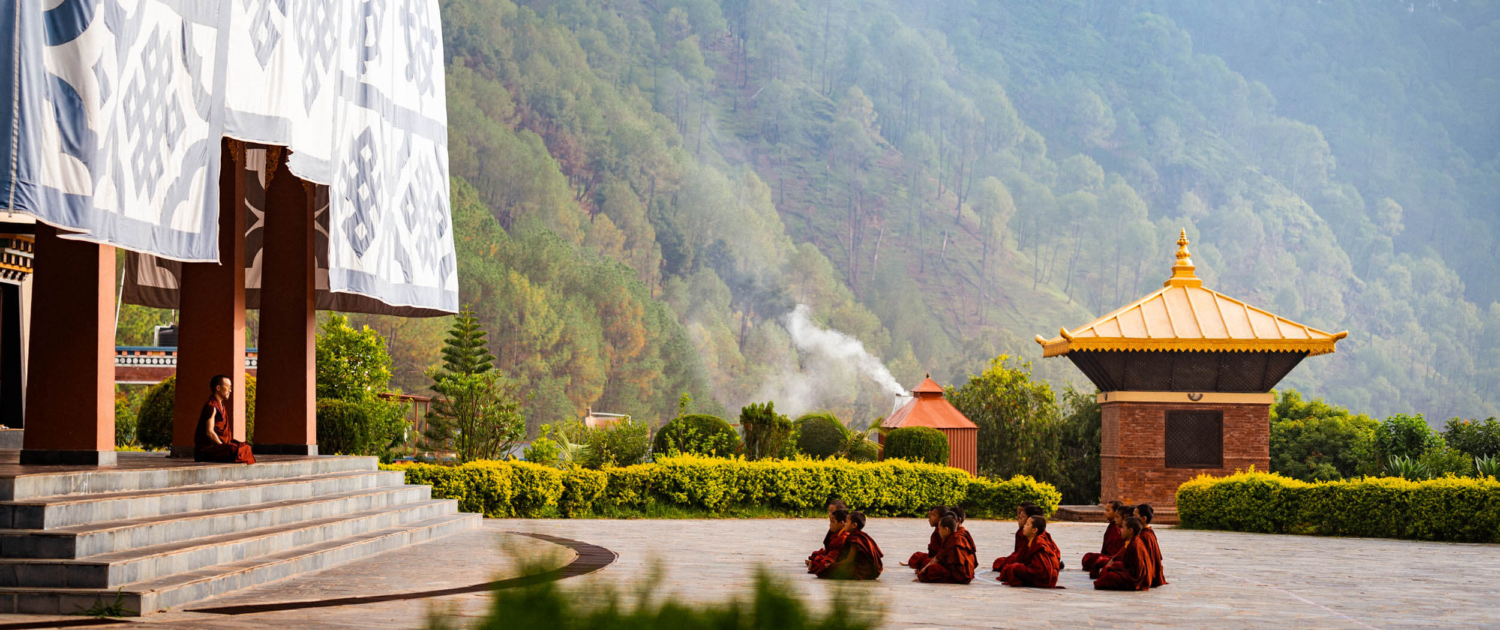
Near Kathmandu, an idyllic hotel stands on the grounds of an active Buddhist monastery, and welcomes guests into its quiet surroundings.
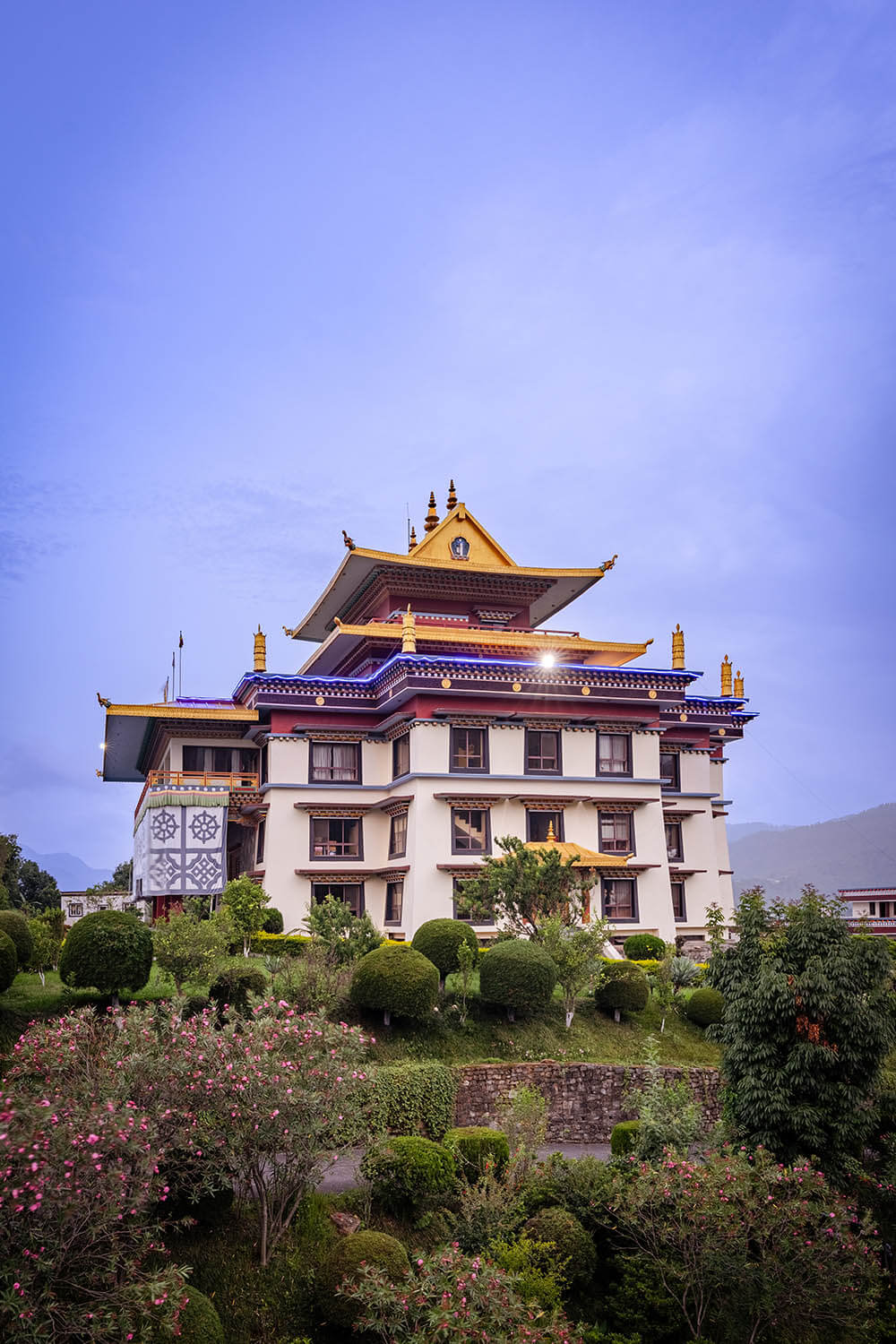
Tucked into the hills of the Kathmandu Valley, twenty-two kilometers and less than an hour from the city, Neydo Hotel occupies a setting unlike anywhere else in the valley. It stands near the Asura Cave, where Guru Rinpoche is said to have meditated and attained enlightenment. “There is an energy here that helps our practice,” says Dechen, daughter of the monastery’s founder, Karma Chagmé Rinpoche — speaking of the site the hotel now calls home.
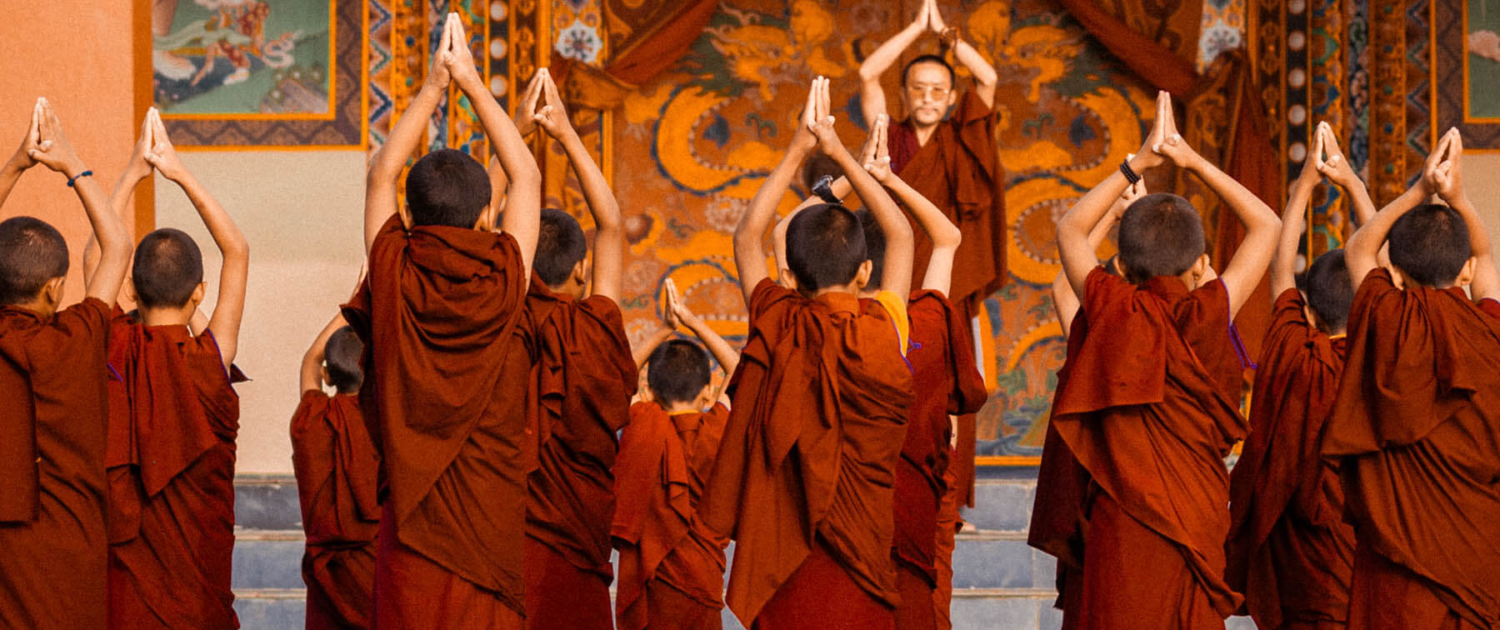
Neydo Hotel is an independently run property, not a monastic institution; guests keep their own hours, order from a full menu, and come and go as they please. What makes it distinctive is its neighbor: a resident community of monks lives and studies at Neydo Tashi Choeling Monastery next door, and guests are welcome to sit in on their prayers and glimpse the rhythm of monastic life, entirely by choice.
Comfortable rooms, a kitchen that cooks simply and well, and hillsides thick with pine make Neydo one of the more unexpected places to stay in the valley. Every stay also supports the monastery directly, funding its daily life and the monks who call it home.
Hotel & Monastery – How They Relate
Neydo Hotel and Neydo Tashi Choeling Monastery are two distinct institutions sharing one site. The hotel was built on land beside the monastery, with the monastery’s support, so that its running could help sustain the community next door. Staying at Neydo means enjoying a standard, comfortable hotel experience – private rooms, full board, attentive service – with the rare option of stepping into the life of the monastery beside it, at whatever level of involvement a guest chooses.
History of the Monastery
Construction of Neydo Tashi Choeling Monastery began in 2006, raised through the generosity of supporters drawn to the Neydo tradition, a rare union of Mahamudra and Dzogchen practice. Monks travelled from monasteries across India and Nepal, joined by lay guests from across the region, for its opening.
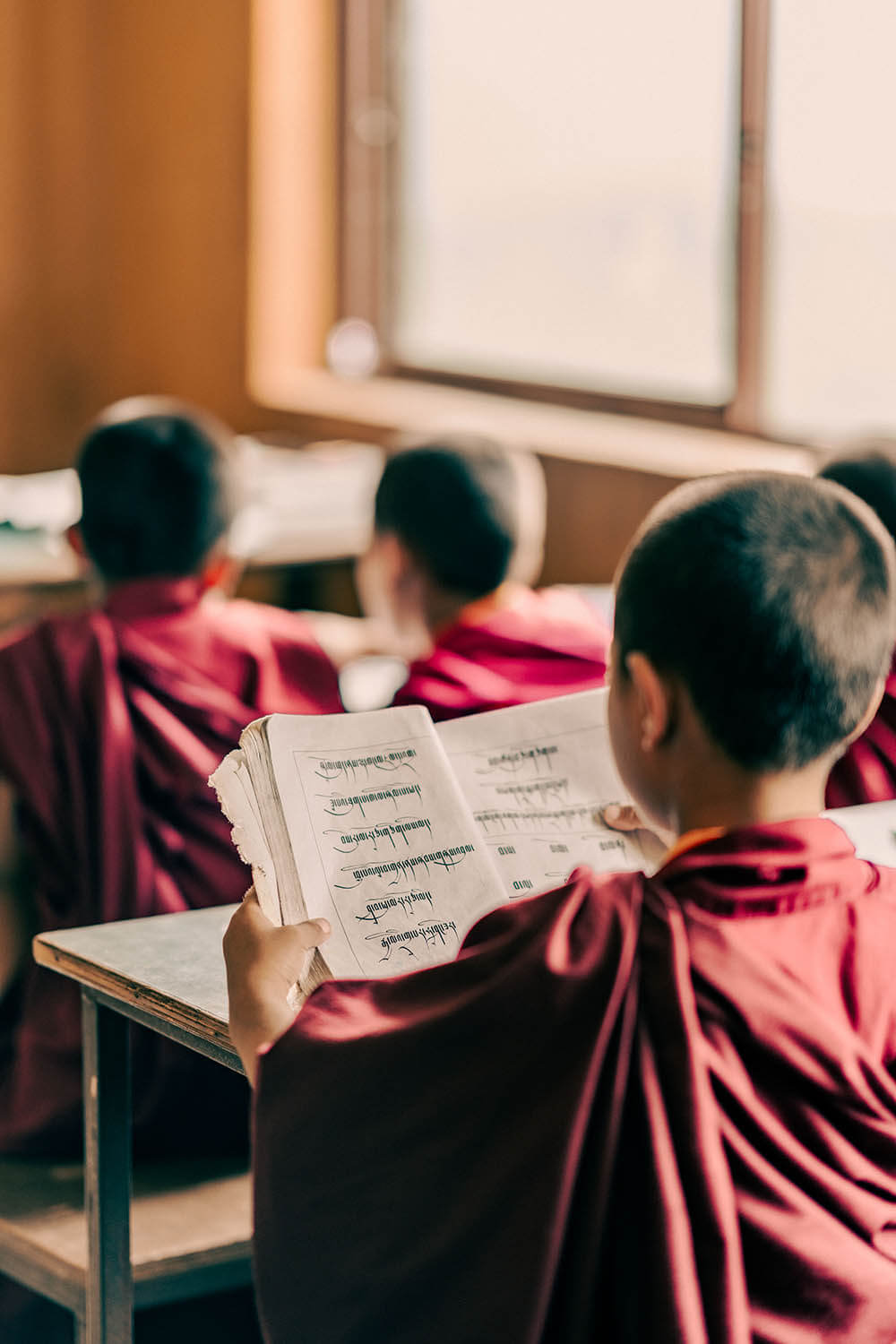
Today, the monastery teaches ritual, prayer, Tibetan literature and Buddhist philosophy to its resident monks, continuing a lineage its founders were determined not to lose.
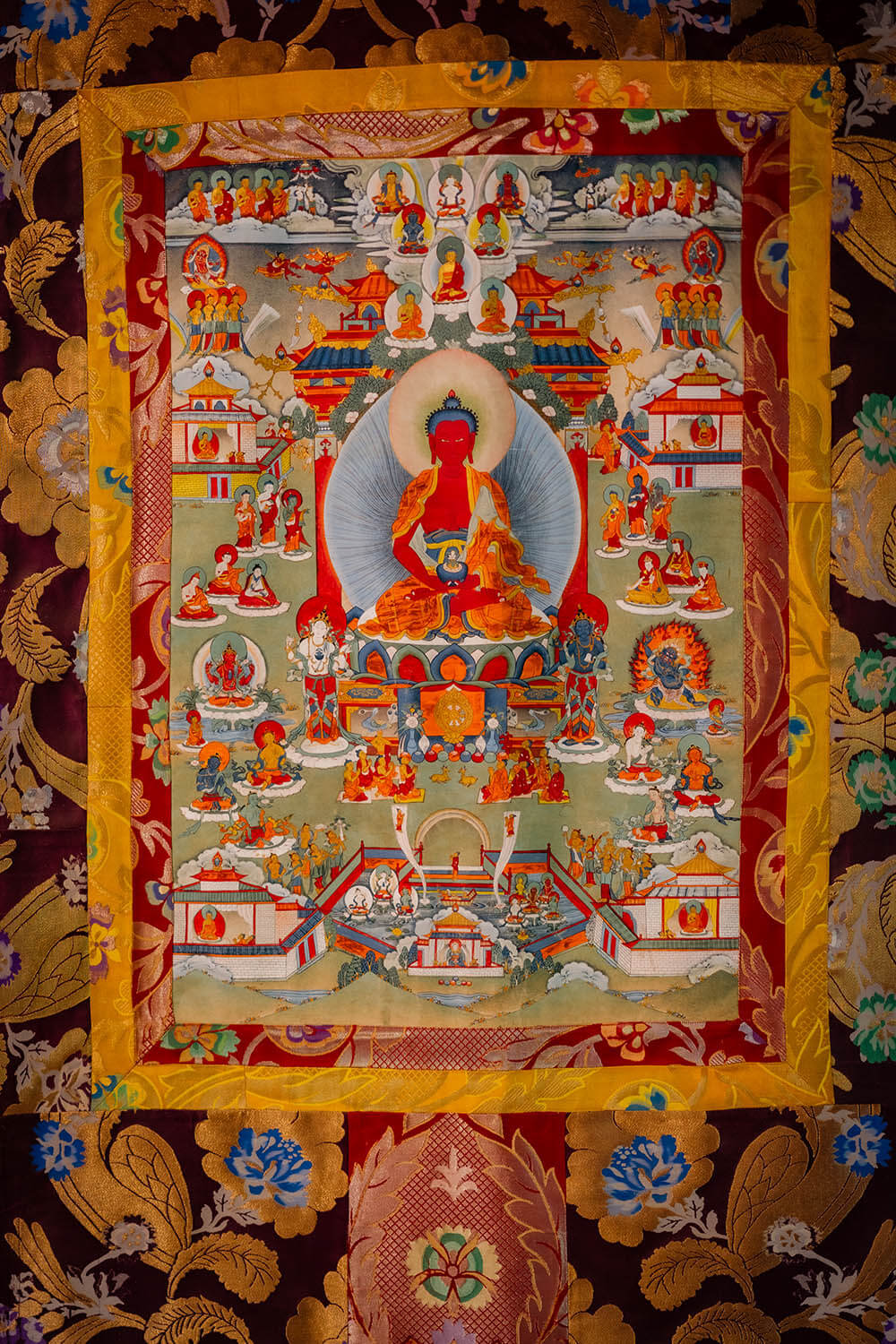
At its heart stands Nepal’s largest statue of Amitabha Buddha, flanked by Avalokiteshvara, Buddha of Compassion, and Vajrapani, protector of the teachings.
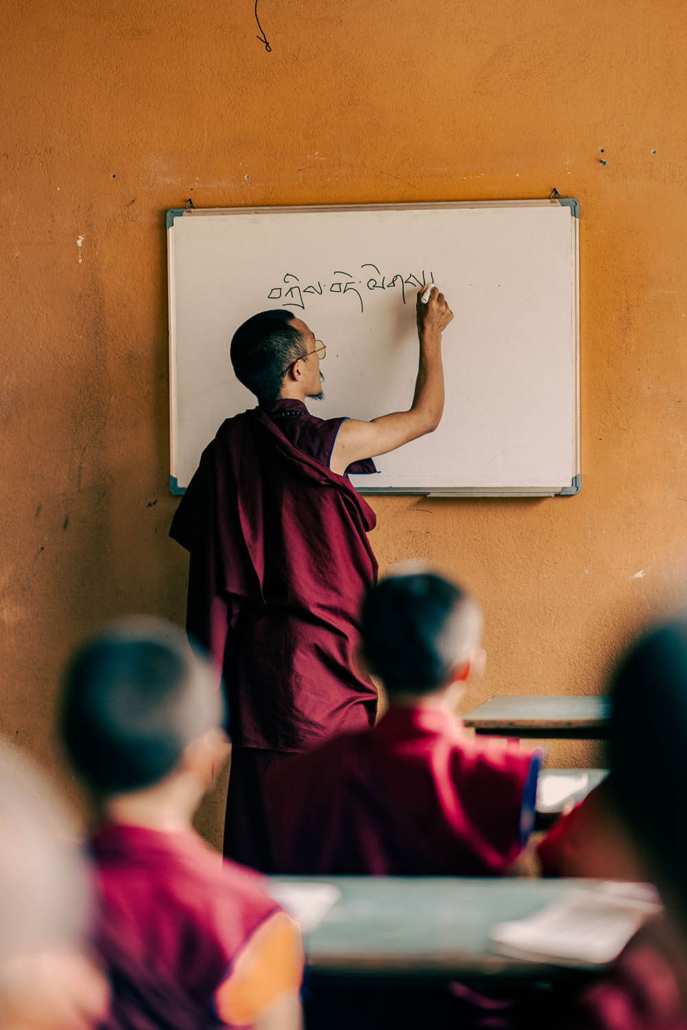
The monastery remains dedicated to teaching ritual, prayer, Tibetan literature, and Buddhist philosophy to its resident monks, honoring the founders’ commitment to safeguarding their spiritual heritage.
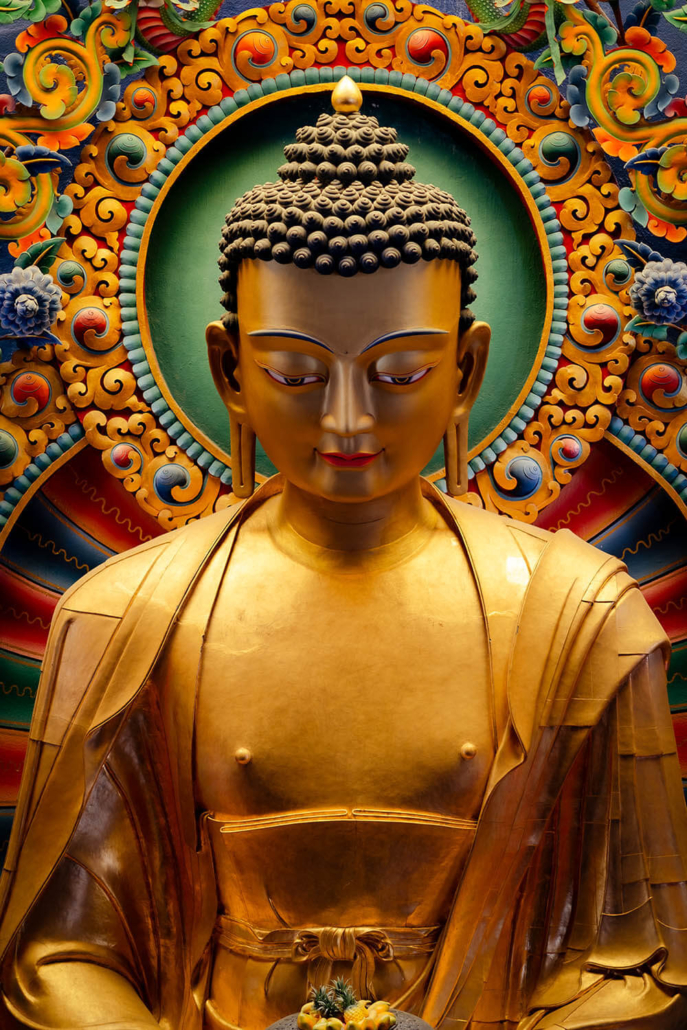
Home to Nepal’s largest statue of Amitabha Buddha, accompanied by Avalokiteshvara, the Buddha of Compassion, and Vajrapani, the protector of the Buddhist teachings.